
Through coaching, collaborative walkthroughs, and biliteracy bridging, Lowell Elementary built a schoolwide approach to literacy that honors students’ bilingual strengths.
At the beginning of the year, one kindergartener couldn’t write. By the time this story was recorded, he’d written this entirely on his own:
“Me gusta ayudar a mi papa porque necesita ayuda porque su carro no funciona.”
(I like to help my dad because he needs help because his car doesn’t work.)
It’s a small sentence with mistakes in it. It’s also proof of exactly what schoolwide alignment, PLC collaboration, and biliteracy bridging are meant to produce.
Coming Back to Change the System
When Miriam Gonzalez-Perez returned to Lowell elementary as an administrator, she came back with one conviction: something had to change. Not just the materials but also the instructional practices and belief systems behind them.
She knew what was at stake. Years earlier when Miriam taught as Lowell, roughly 70-80 percent of students scored far below basic on their foundational literacy skills. These were kids capable of far more than the data reflected, and the school’s approach wasn’t reaching them.
A Partnership Built Around Multilingual Strengths
Lowell’s multi-year partnership with Teaching Lab centers something many literacy models miss: multilingual learners’ full linguistic toolkit (their home language, their culture) as an asset, not an obstacle.
The training reshaped how the school approaches instruction for its multilingual population. “It has really helped us shift the way we are teaching and focus more on the multilingual learners,” said Esther Bakovic-Belanger, a Kindergarten Dual Language Teacher at Lowell.
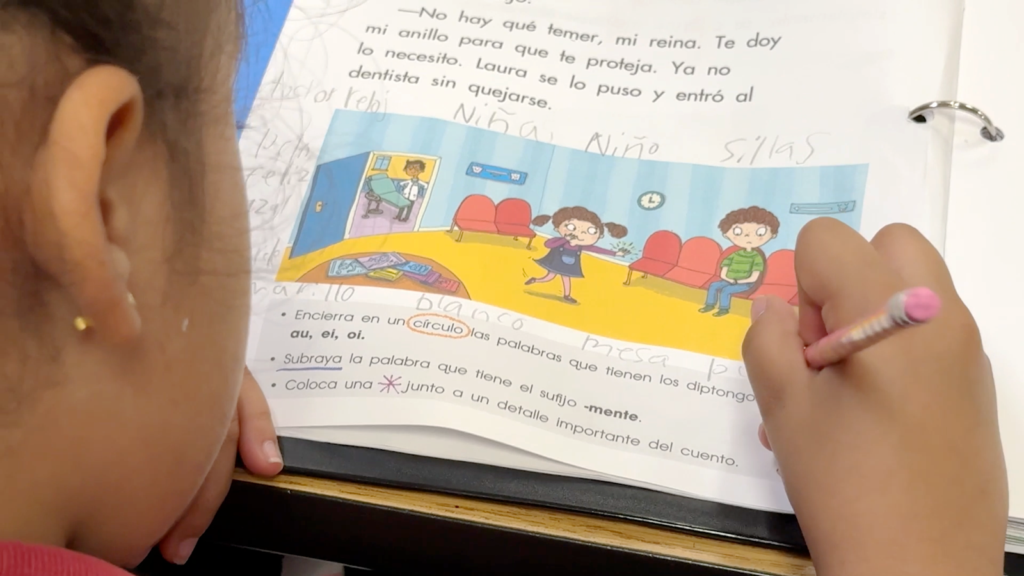
That shift shows up most clearly in Lowell’s approach to biliteracy bridging: teachers build foundational skills in Spanish first, then bridge those same skills into English, leaning on the fact that literacy skills transfer between languages once they’re established. “Many of those skills are transferring, so you don’t have to reteach them in the second language,” Esther explained.
Building a Coherent, Schoolwide System
Coaching added a layer of instructional complexity, teaching language and literacy at once, but it also created something Lowell didn’t have before: alignment. Miriam points to three levers that reshaped instructional leadership at the school: data-driven walkthroughs, PD planning built around what those walkthroughs reveal, and schoolwide alignment of instruction and foundational-skills monitoring.
“Are we all aligned? Are we all using the same instructional practices, and are we monitoring students’ progress in a timely manner?” Miriam asked.
That structure became more than a checklist; Miriam calls it the school’s “North Star,” keeping decisions grounded in data and keeping PD and collaboration hours focused on what teachers actually needed.
Trust Comes First
None of this worked without trust. Early on, teachers weren’t sure what they were signing up for. “Allowing the time and engaging with the coaches of Teaching Lab has really helped develop that trust,” Miriam said — trust that made it possible for her and her teachers to actually be coached.
PLCs in Action
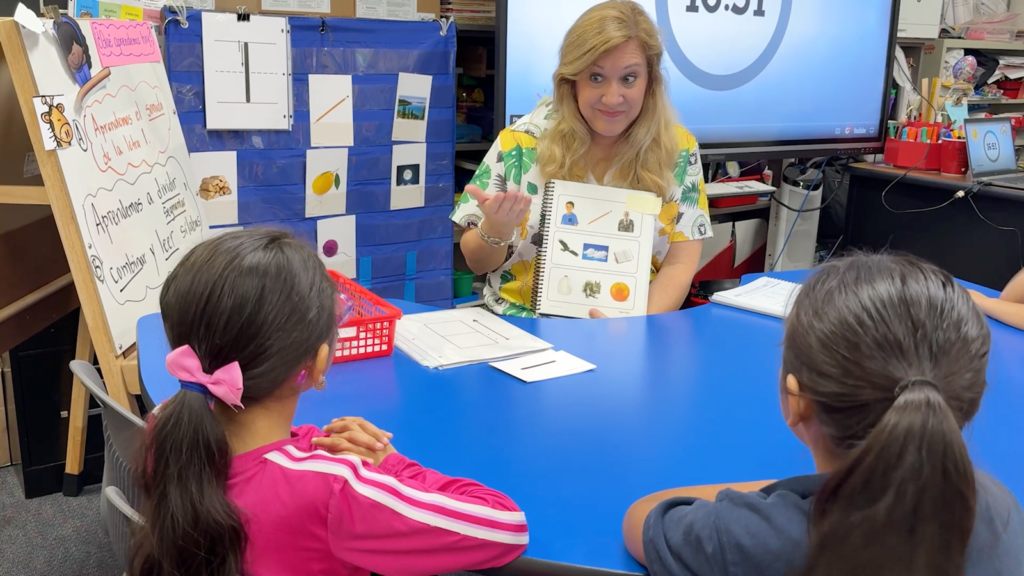
Professional Learning Communities (PLC) became one of the most valued parts of the shift. Teachers began intentionally collaborating as grade-level teams, across grade levels, and with bilingual educational assistants to look at student data and plan instruction based on grade-level standards and students’ assets and needs. Simultaneously, they began walking into each other’s classrooms to see instructional practices firsthand, identifying schoolwide strengths and gaps together instead of in isolation.
“If something’s not working, why continue doing it?” said Oralia Aguilera, a 1st Grade Dual Language Teacher. Those built-in moments to reflect, adjust, and to learn from colleagues made a difference.
For multilingual learners specifically, PLC time gave teachers dedicated space to identify ways to strengthen students’ language and literacy skills in both Spanish and English.
What’s Next
Miriam hopes the partnership continues strengthening this system, one where teachers and school leaders keep speaking the same language, literally and instructionally, in service of the same outcome: students who read, write, and comprehend with confidence in both languages.
Ready to build a coherent, coached approach to literacy at your school?